June 30, 2026 • Tomás Guerreiro • 10 min reading time • Specs verified June 18, 2026
Hose-Bib Splitters and Multi-Port Manifolds: Building a Faucet-Based Irrigation Hub Without Trenching
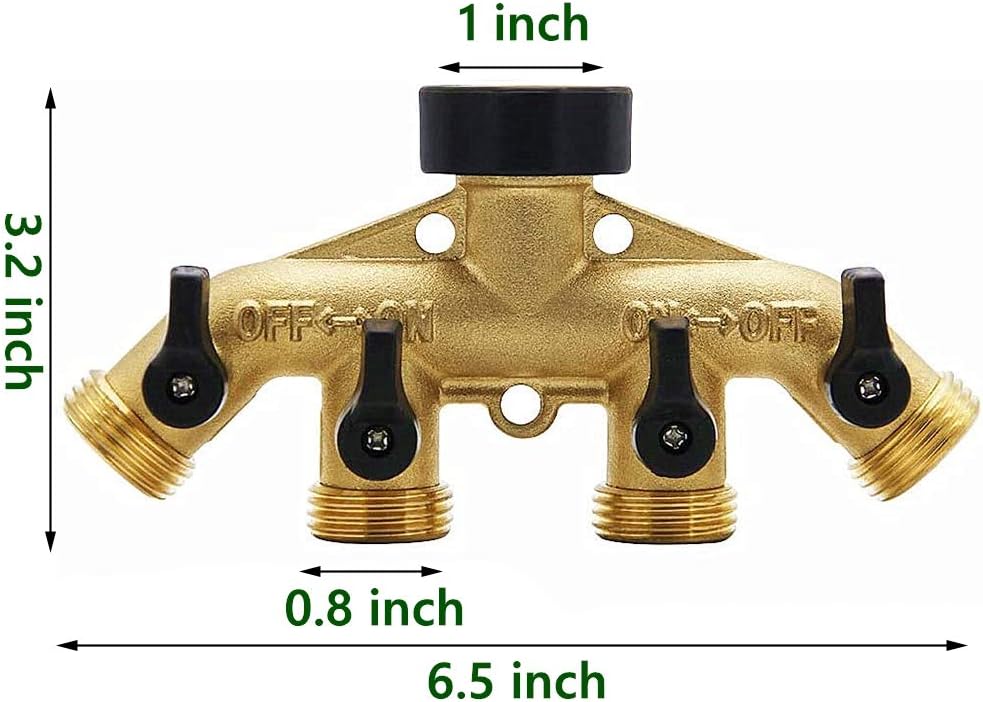
If you’ve ever stood at your outdoor faucet — also called a hose bib or spigot, the threaded brass fitting on the side of your house — and wished it could do more than water one thing at a time, this article is for you. A hose-bib splitter is a fitting that screws onto that faucet and divides the single outlet into two, three, or four separate ports, each with its own shutoff valve. Paired with a smart hose timer (a battery-powered device that screws onto a port and opens or closes water flow on a programmed schedule), you can build a genuinely capable multi-zone irrigation hub without cutting a single trench, pulling a permit, or touching your home’s plumbing. This isn’t a forever solution for a 12-zone lawn, but for drip lines, container gardens, raised beds, and foundation plantings, it’s a legitimate system — if you spec it right.
What follows is a decision-focused breakdown of the hardware, the failure modes real owners report, the math you need to run before you buy anything, and the exact “if X, then Y” rules that will save you from the most common mistakes.
| EDITOR'S PICK[RAINPOINT WiFi Water Timer for…](https://www.amazon.com/dp/B0C9D4HTTR?tag=greenflower20-20) | Mid-tier[RAINPOINT Sprinkler Timer](https://www.amazon.com/dp/B0BN65WT14?tag=greenflower20-20) | Budget pick[Biswing 4 Way Brass Hose Splitt…](https://www.amazon.com/dp/B08QDDXGW8?tag=greenflower20-20) | |
|---|---|---|---|
| Zone Count | 2 | — | 4 |
| Type | Timer | Timer | Splitter |
| Material | Brass | — | Brass |
| Smart Control | ✓ | — | ✗ |
| Price | $95.98 | $26.99 | $18.99 |
| See on Amazon → | See on Amazon → | See on Amazon → |
Your GPM/PSI Budget Comes First — Always
Before you touch a splitter or timer, you need to know what your faucet can actually deliver. This isn’t optional. The Irrigation Association’s Landscape Irrigation Best Management Practices (2023 edition) identifies supply-side pressure and flow mismatches as the leading cause of system underperformance in residential drip installations — and hose-bib systems are especially vulnerable because you’re already starting with a single residential supply point.
Here’s the quick field measurement:
- Thread a flow meter or a simple bucket onto the faucet and time how long it takes to fill a one-gallon container with the valve fully open. A typical residential hose bib delivers between 4 and 8 GPM (gallons per minute).
- Use a dial-type pressure gauge (they screw right onto the bib) to measure static pressure — most homes run 45–80 PSI (pounds per square inch). Note the number.
- Drip emitters, soaker hoses, and most hose-end timers are designed to operate at 20–30 PSI. If your faucet reads 70 PSI, you need a pressure regulator downstream. More on that shortly.
By the numbers — typical hose-bib system capacity:
| Configuration | Realistic flow budget | Best use case |
|---|---|---|
| Single spigot, one timer | 3–6 GPM usable | One drip zone or soaker loop |
| Brass splitter + 2 timers (sequential) | 3–6 GPM (shared) | Two zones, never simultaneous |
| Brass splitter + 2 timers (simultaneous) | 1.5–3 GPM per port | Only if bib tests above 6 GPM |
The hard rule: you are not adding GPM by adding ports. You are dividing what was already there. Every installer who has wired up a four-port manifold and wondered why their drip heads are barely weeping learned this the same way.
Choosing Your Splitter: Brass Is the Decision, Not a Preference
The splitter market is flooded with zinc-alloy and plastic units that look fine in the packaging and fail within one season of freeze-thaw cycling. Across aggregated owner reviews, the pattern is consistent: brass-bodied splitters with individual port shutoffs outlast polymer alternatives by a wide margin, and they seat better against older, slightly corroded spigot threads.
Biswing brass splitter owners consistently praise its solid, heavy construction — reviewers frequently note that it feels noticeably denser than competing products at the same price tier. Multiple owners report installation taking under a minute, with zero leaks once the included rubber washer is properly seated (hand-tight plus a quarter turn, no tools required in most cases). The individual port shutoffs are a genuine operational advantage: you can close one zone for maintenance without shutting down the others.
Thread tape or washers? The short answer: the included rubber washer is your primary seal, but a single wrap of PTFE (Teflon) tape on the spigot threads is good insurance, especially on older fittings with worn threads. Family Handyman’s Drip Irrigation Installation Guide recommends PTFE tape on all hose-thread connections as standard practice — it costs nothing, takes ten seconds, and eliminates the most common source of slow drips at the connection point.
One practical note from reviewer patterns: buyers who connect timers downstream of a quality brass splitter consistently report fewer leak and pressure complaints than those connecting timers directly to a worn spigot. The splitter’s machined seat creates a cleaner, more consistent mating surface for the timer’s inlet washer than a weathered spigot face.
Smart Timer Shootout: What the Long-Run Reviews Actually Show
This is where the tradeoffs get specific, and where the tier-based decision rule matters.
Rachio Smart Hose Timer
Rachio’s reputation from their in-ground controller line carries over — the app is genuinely polished, and the rain-skip and weather-intelligence logic works as advertised. The EPA WaterSense program’s Watering Tips for the Home Landscape specifically highlights weather-based skip logic as one of the highest-impact features for water conservation, and Rachio implements it better than most in this category.
The recurring complaint in long-run reviews: flow detection reliability. Owners report that the flow sensor triggers false alerts or simply stops registering after several months, even after battery replacement, firmware updates, and filter cleaning. This appears to be a sensor fouling or calibration drift issue rather than a catastrophic failure — the timer still waters, it just stops reliably reporting flow. If app-based monitoring is central to your use case, factor in this limitation.
RAINPOINT Hose Timer
RAINPOINT timers draw praise for straightforward setup and reliable basic scheduling. The failure pattern in long-run reviews is notably specific: both units in a two-timer setup tend to fail at approximately the same age, close to the two-year mark, which suggests a solenoid or circuit-board lifespan issue rather than random defect. The mitigating factor — and it’s a real one — is that reviewers consistently note proactive post-warranty replacement outreach from the brand, which is unusual in this product category and earns genuine goodwill. If you’re speccing a system you’ll want to run for three-plus years, build in a replacement cycle or look elsewhere. If you’re willing to maintain the relationship with the brand’s support team, the value proposition holds.
Meross Smart Water Timer
Meross owners frequently cite the brass fittings as a premium touch that sets it apart from plastic-heavy competitors. The failure mode that appears in medium-term reviews: a “won’t turn off” solenoid failure appearing after a few months of operation. This is a more serious failure mode than a dead solenoid — a valve that won’t close can flood a bed overnight. Not universal, but frequent enough in the review corpus to flag. For drip zones over mulched beds or near a foundation, this failure mode carries real consequence.
Decision Rule
- If you want the best app experience and water-saving intelligence, and you can live with imperfect flow monitoring: Rachio Smart Hose Timer.
- If you need simple scheduling at low cost and you’re comfortable with a ~2-year hardware cycle: RAINPOINT, and stay in contact with their support team.
- If you want brass construction and HomeKit/Google Home integration but are monitoring the system closely: Meross — but schedule a manual check of the valve seat every 60 days.
Pressure Regulators: The Component Most Setups Skip and Shouldn’t
UC ANR’s Drip Irrigation for Home Gardens is direct on this point: most municipal water supplies deliver 60–80 PSI at the hose bib, and standard drip emitters are rated for 20–30 PSI. Running drip lines at full municipal pressure blows emitters, causes uneven distribution, and dramatically shortens tubing life.
Several hose-bib timers include a built-in pressure regulator in their spec sheet. Here’s the practical question: is the built-in regulator enough, or do you also need an inline regulator between the splitter port and the drip line?
The answer depends on your supply pressure and the quality of the timer’s internal regulator. At pressures above 70 PSI, a standalone inline pressure regulator (set to 25–30 PSI) installed between the timer outlet and your drip manifold is worth the $8–15 it costs. It protects the drip line independently of whatever the timer’s internal components are doing, and it doesn’t fail in ways that are hard to diagnose. This Old House’s How to Install a Hose Bib treatment notes that pressure regulation at the point of use — not assumed at the supply — is the reliable approach for any precision irrigation application.
Frequently Asked Questions
Can you run two smart timers from a single spigot simultaneously without a pressure drop? You can, but you will see a pressure drop — because you’re splitting a fixed flow budget. If your bib delivers 5 GPM at 55 PSI and you open two ports simultaneously, each port gets roughly half the flow. Whether that’s acceptable depends on your emitter counts and zone design. Sequential scheduling (Zone 1 runs, then Zone 2) eliminates this tradeoff entirely and is the recommended approach for most hose-bib setups.
Does a brass splitter need thread tape or do the included washers handle sealing? The included rubber washer is the primary seal and handles most connections correctly when properly seated. Adding a single wrap of PTFE tape to the spigot’s male threads is a belt-and-suspenders move that costs nothing and prevents slow seep leaks on older or imperfect spigot threads. Do both.
Why does my smart timer show “connected” in the app but not actually trigger watering? This is one of the most common support tickets across all smart hose timer brands. The most frequent causes, in order: (1) the solenoid is stuck closed — try manually triggering a run from the device itself, not the app; (2) the battery voltage has dropped below the solenoid’s operating threshold even though the wireless radio still has enough power to maintain a connection; (3) a firmware or cloud-sync issue is dropping the schedule command before it reaches the device. Replace batteries first, then perform a factory reset, then contact support.
How long do hose-bib timers realistically last before the solenoid fails? Based on aggregated owner reviews across major brands, the realistic operational lifespan for a hose-bib timer solenoid under normal seasonal use (spring through fall, winterized) is 2–4 years. Timers left connected through freezing temperatures without draining fail significantly faster. Budget for replacement on a 3-year cycle in mild climates, 2-year in freeze-thaw zones.
Do I need a pressure regulator between the splitter and the drip line even if I have one built into the timer? If your supply pressure is under 60 PSI and your timer’s built-in regulator is functioning correctly, you may not need a separate inline unit. Above 60 PSI, or if you have any doubt about the timer’s regulator performance, install a dedicated inline pressure regulator at the drip line inlet. It’s inexpensive insurance, and it operates independently of the timer’s internal components.
Buying Decision: The Decision Frame
You’ve measured your bib. You know your GPM and PSI. Here’s the decision tree:
If your priority is app polish, weather intelligence, and long-term reliability of the schedule logic — and you’re willing to manually verify flow rather than rely on sensor alerts — the Rachio Smart Hose Timer is the clear pick.
If you’re building a budget-conscious drip system for raised beds or a container garden and expect to replace hardware on a 2-year cycle, RAINPOINT’s timer value holds — especially given their documented support responsiveness.
Whatever timer you choose, pair it with the Biswing brass splitter. Owner reports and the published construction quality consistently put it ahead of plastic and zinc competitors for long-term leak-free performance. Add PTFE tape to every threaded connection. Add an inline pressure regulator if your supply exceeds 60 PSI. Schedule sequentially, not simultaneously, unless your measured flow budget clearly supports parallel zones.
That’s a faucet-based irrigation hub that actually works — built in an afternoon, without a shovel.